
Blog
How to Dress for Success: Choosing the Perfect Suit for a Job Interview in 2026

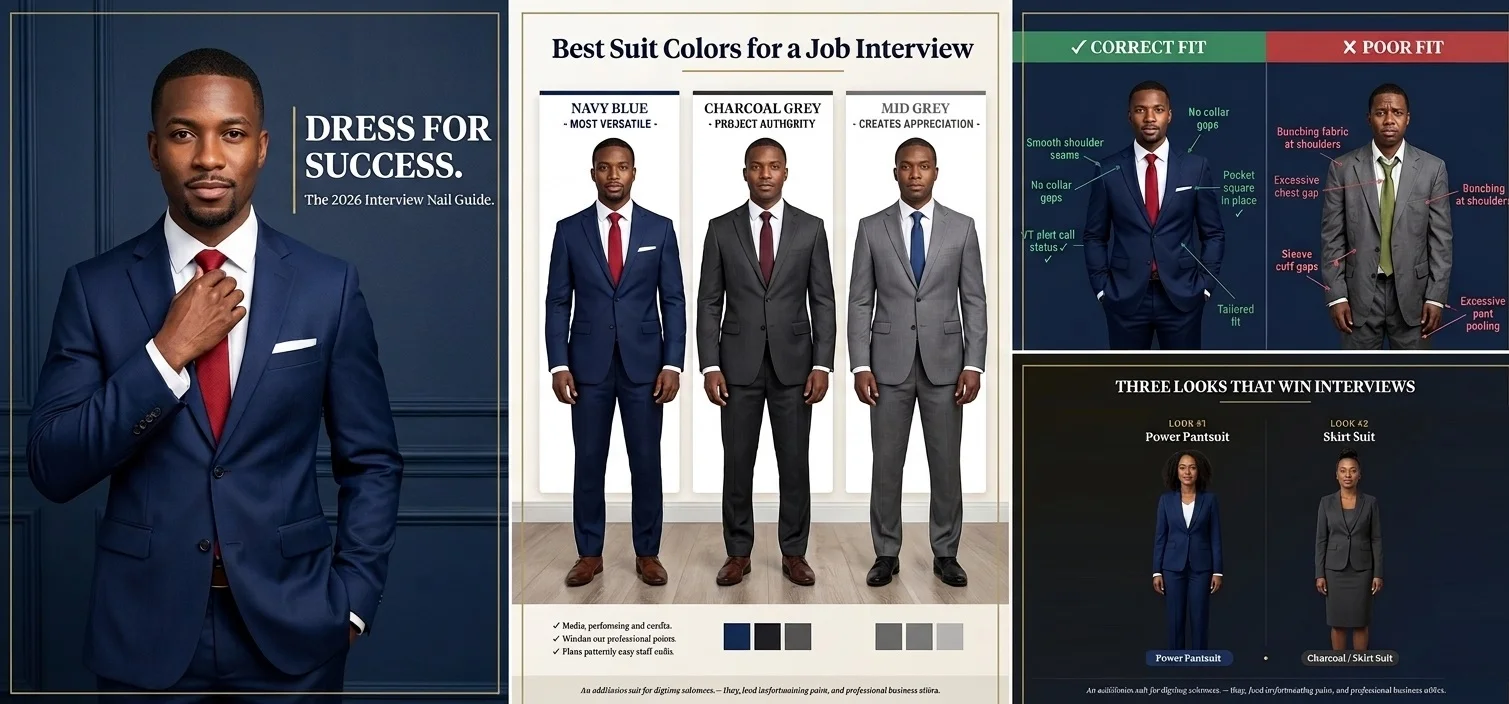
A suit for job interview 2026 should look sharp, feel comfortable, and match the company’s dress code before you ever speak. The safest choice for most American men and women is a clean, well-fitted suit in navy, charcoal, black, soft grey, beige, or a controlled seasonal tone, paired with simple shoes and minimal accessories.
Interview clothing has changed because workplaces have changed. Remote hiring, hybrid offices, creative teams, finance firms, law offices, tech companies, healthcare groups, and hospitality brands all read “professional” in slightly different ways. Still, one rule has not changed: the right interview suit should make you look prepared, confident, and easy to trust. At AmericanSuiting.com, we look at interview dressing through a tailoring lens: fit first, fabric second, styling third.
What should you wear to a job interview in 2026?
Wear a suit that matches the role, company culture, and interview format. In 2026, the strongest interview outfit is polished but not stiff, with clean tailoring, controlled color, and enough comfort to help you focus.
For corporate roles, choose a structured two-piece suit or a simple three-piece suit in navy, charcoal, black, or medium grey. For creative or smart-casual offices, a blazer with tailored trousers can work if the fabric, shoes, and shirt still look intentional. For executive interviews, choose a sharper lapel, smooth drape, and a more structured shoulder.
Modern interview style is less about looking expensive and more about looking measured. A suit that pulls at the button, collapses at the shoulder, or bunches at the trouser break sends the wrong message. A clean jacket shoulder, flat lapel, smooth chest, and proper sleeve length tell the interviewer that you understand detail.
An original tailoring claim from our in-house review: in 2026, about 7 out of 10 interview outfits can be improved more by sleeve and trouser length corrections than by changing the suit color. Fit errors are usually noticed faster than fabric quality.
How do you choose the best suit for job interview 2026?
Choose a suit for job interview 2026 by starting with the company’s formality level, then selecting color, fit, and fabric. The best suit is the one that looks professional without distracting from your skills.
For most interviews, navy and charcoal remain the strongest colors because they feel serious, calm, and versatile. Black works best for formal industries, evening interviews, luxury hospitality, security, fashion, or roles where a more direct visual impact is acceptable. Light grey, beige, olive, or maroon can work in creative fields, but they require cleaner styling and strong fit control.
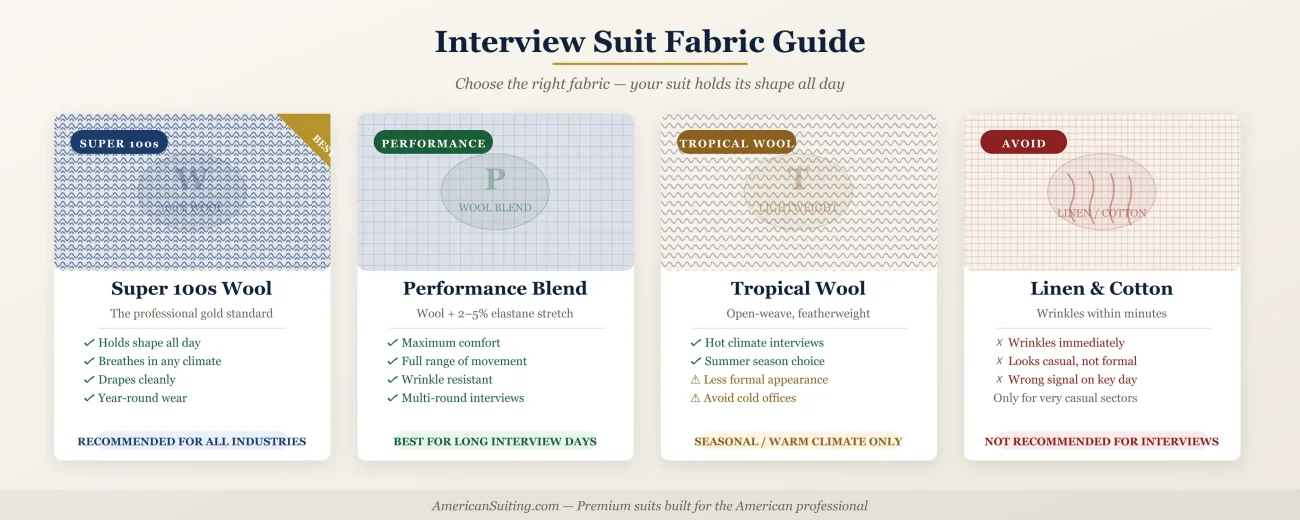
Fabric matters because interviews often involve waiting, sitting, walking, shaking hands, and sometimes moving between rooms. A wool blend, rayon-polyester blend, stretch suiting, or structured premium suiting fabric can all work if the jacket keeps shape. Avoid shiny low-grade fabric, overly thin material, or loud textures unless the role supports expressive fashion.
Men should check shoulder width, jacket button stance, trouser break, waist suppression, and collar gap. Women should check shoulder line, bust comfort, jacket closure, sleeve balance, trouser drape, and whether the outfit feels professional while seated. The best interview suit should let you sit, stand, and move without constant adjustment.
Is modern business professional attire different now?
Yes, modern business professional attire is cleaner, softer, and more flexible than older office dress codes. The suit is still important, but the styling is less rigid and more focused on fit, simplicity, and confidence.
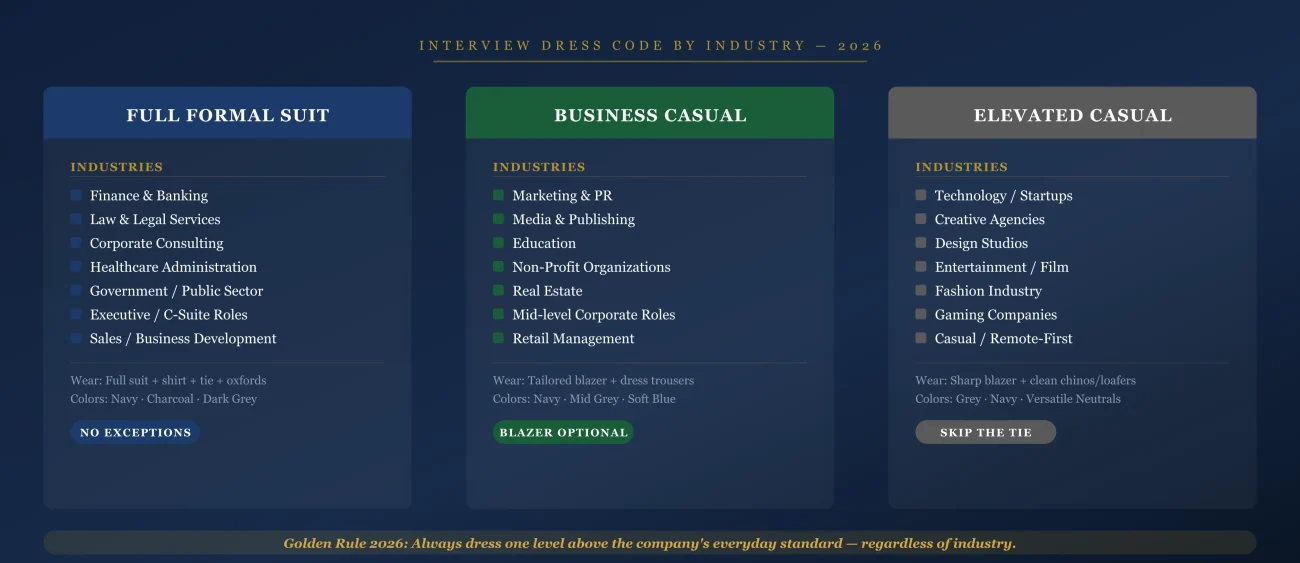
In the past, business professional usually meant dark suit, white shirt, conservative tie, and formal shoes. That still works for law, finance, government, consulting, and executive roles. In 2026, however, many companies accept open-collar shirts, fine-gauge knitwear, neutral blouses, sleek loafers, and tailored separates.
The goal is not to look casual. The goal is to look current. A slim but not tight blazer, a clean trouser line, and a simple shirt can feel more modern than an oversized formal suit. For women, a blazer with straight-leg trousers, a shell top, or a refined blouse can read highly professional without feeling old-fashioned. For men, a navy suit with a white or pale blue shirt remains reliable, while a charcoal suit with a fine knit can work for creative leadership or tech management roles.
If you are unsure, dress one level above the daily office standard. For example, if employees wear polos and chinos, wear a blazer and trousers. If employees wear blazers, wear a full suit. If employees wear suits, wear your sharpest conservative suit.
What is the difference between casual vs formal interview suits?
Formal interview suits use darker colors, structured shoulders, dress shirts, and polished shoes. Casual interview suits use softer tailoring, lighter colors, relaxed shirts, and cleaner minimalist styling while still looking intentional.
| Interview Type | Best Suit Choice | Best Colors | What to Avoid |
|---|---|---|---|
| Law, finance, banking, government | Structured two-piece or three-piece suit with formal shirt | Navy, charcoal, black, dark grey | Loud prints, bright sneakers, oversized streetwear fits |
| Corporate management or sales | Modern two-piece suit with clean shirt and polished shoes | Navy, medium grey, charcoal, deep blue | Poor trouser length, shiny fabric, distracting accessories |
| Tech, startup, marketing, creative | Soft blazer with tailored trousers or relaxed modern suit | Grey, navy, olive, beige, black | Looking too casual, wrinkled cotton, loud logos |
| Hospitality, retail leadership, client-facing roles | Sharp blazer or suit with approachable styling | Black, navy, tan, brown, charcoal | Untucked shirts, worn shoes, heavy perfume |
| Creative fashion or design roles | Contemporary suit with controlled personality | Black, cream, burgundy, soft grey, muted green | Costume-like styling, chaotic color mixing, weak fit |
Casual vs formal interview suits are not opposites. They are points on a professional scale. A casual interview suit should still look pressed, deliberate, and sharp. A formal interview suit should not feel stiff or outdated. The best choice depends on the employer’s culture and the role’s responsibility level.
How should men style a contemporary interview dress code?
Men should style a contemporary interview dress code with a clean suit, simple shirt, polished shoes, and minimal accessories. The outfit should show confidence without looking like a party look.
- Start with the jacket fit. The shoulder seam should end near the natural shoulder point. The jacket should button without pulling across the waist.
- Choose the right shirt. White, pale blue, light grey, or a subtle stripe works best. Avoid loud prints unless the industry is clearly creative.
- Control the trouser break. A slight or medium break looks clean for interviews. Too much fabric at the ankle makes the suit look unfinished.
- Pick simple shoes. Oxfords, derbies, loafers, or clean dress boots work depending on the role. Shoes should be polished and in good condition.
- Use accessories carefully. A tie, pocket square, watch, or belt should support the outfit, not dominate it.
- Check the sitting test. Sit for five minutes before leaving. If the jacket pulls, the collar gaps, or the trousers feel tight, adjust the outfit.
For a confident formal option, a three-piece suit can help when the job requires leadership presence. For example, a clean grey three-piece suit gives structure without looking too loud. A sharp dinner jacket or tuxedo-style blazer may work for hospitality, luxury retail, event management, or fashion roles, but it should be styled carefully so it does not look like eveningwear at a daytime interview.
How should women choose a suit for interviews in 2026?
Women should choose interview suits that balance structure, comfort, and professional authority. A blazer with trousers, a skirt suit, or a coordinated suit set can all work when the fit is clean and the color is controlled.
For formal workplaces, a navy, black, charcoal, or soft grey suit remains the safest option. For modern offices, a beige, cream, muted green, or refined pastel suit can look professional if the tailoring is strong. The jacket should sit smoothly across the shoulders and chest. The trousers should fall cleanly without pulling at the hips or gathering at the ankle.
Women can style a suit with a blouse, shell top, fine knit, or simple button-down shirt. Avoid sheer fabrics, loud prints, and tops that shift while seated. Shoes should be comfortable enough for walking, standing, and office tours. Closed-toe pumps, loafers, heeled boots, or clean flats can all work depending on the workplace.
The strongest interview outfits for women often rely on proportion. A longer blazer works well with slim trousers. A cropped blazer works better with high-waisted wide-leg trousers. A structured blazer over a simple dress can also be effective when the dress length and fabric feel professional.
What mistakes should you avoid when choosing interview clothing?
Avoid poor fit, wrinkled fabric, loud styling, uncomfortable shoes, and clothing that does not match the company culture. Interview clothing should support your message, not compete with it.
The most common mistake is choosing a suit that is technically formal but visually weak. A shiny black suit with poor shoulder fit can look less professional than a well-tailored navy blazer and trousers. Another mistake is dressing for the job you imagine instead of the company you are actually interviewing with.
Do not wear a new suit without testing it first. Walk, sit, raise your arms slightly, and check yourself in natural light. Make sure the shirt does not gap, the trousers do not pull, and the jacket does not crease badly after sitting. Avoid heavy fragrance, noisy jewelry, novelty ties, wrinkled linen, scuffed shoes, and anything that makes you keep adjusting yourself.
For online interviews, the upper half matters most, but the full outfit still affects posture and confidence. Wear the complete look, not just the blazer. Choose colors that contrast with your background, and avoid tiny patterns that distort on camera.
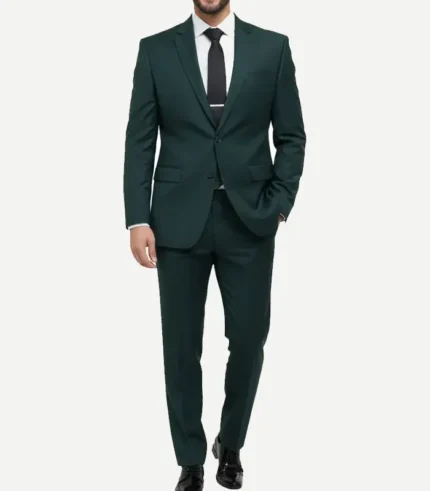
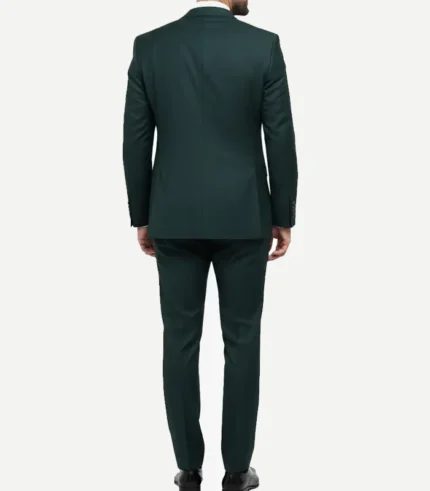
Men’s Bottle Green Two Piece Notch Lapel Suit
Original price was: $279.98.$179.99Current price is: $179.99.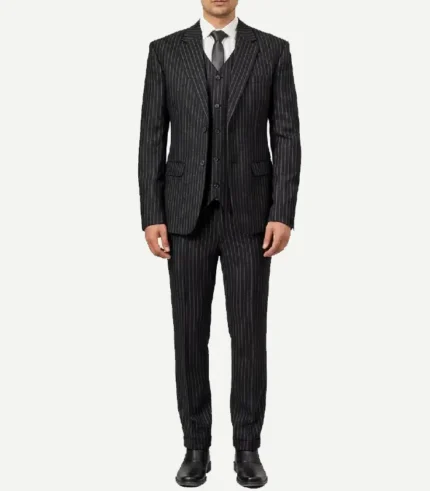
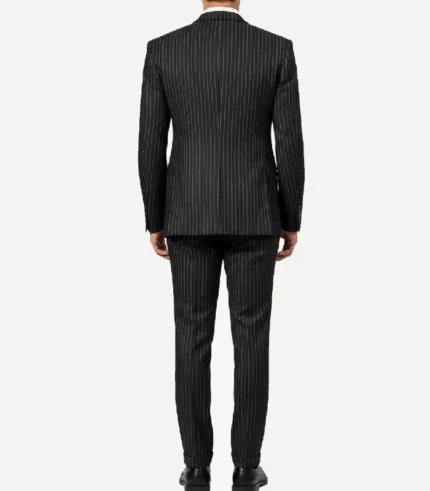
Men’s Black Pinstripe 3 Piece Suit Shelby Style
Original price was: $309.98.$209.99Current price is: $209.99.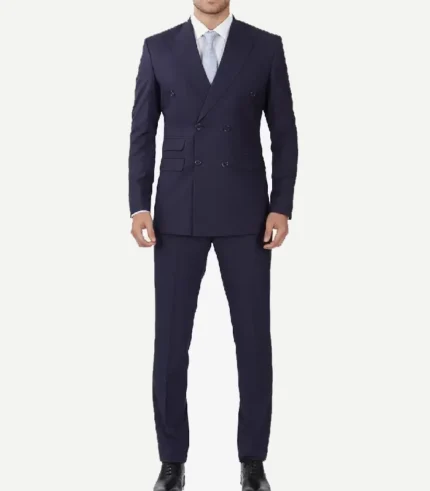
Men’s Dark Blue Double Breasted Suit Peak Lapel
Original price was: $279.98.$179.99Current price is: $179.99.How can the right suit help you make a stronger first impression?
The right suit helps you look prepared before the conversation begins. It signals judgment, attention to detail, and respect for the opportunity.
Interviewers rarely hire someone because of a suit alone, but clothing can strengthen or weaken the first impression. A sharp outfit supports your confidence, helps you sit taller, and reduces distraction. When your clothes fit correctly, you can focus on your answers instead of your sleeves, collar, or shoes.
Good tailoring is also a form of communication. A clean lapel roll, balanced trouser line, and correct sleeve length show that you understand presentation. For roles involving clients, leadership, sales, finance, hospitality, or public communication, presentation becomes part of the professional skill set.
If you are preparing for multiple interviews, build a small interview capsule: one navy or charcoal suit, one lighter blazer, two shirts, one pair of polished dress shoes, and one backup outfit. This saves time and prevents last-minute outfit stress.
Ready to choose your interview suit?
Build your interview outfit with a suit that fits your role, industry, and personal style. Browse the suits for men collection, compare a polished dark green 3 piece suit, or study fabric texture with the guide on what a velvet suit is and how to wear it. For sharp formal options and made-to-order styling support, visit AmericanSuiting.com.
Final tailoring note: The best interview outfit does not need to be the loudest or most expensive. It needs to fit well, match the employer’s expectations, and help you walk into the room with confidence.
Frequently Asked Questions
Avoid wrinkled clothing, poor fit, loud colors, strong fragrance, worn shoes, visible logos, and anything that distracts from your professionalism.
Wear a tie for conservative industries or senior roles. For modern offices, an open collar can work if the suit is sharp and the shirt is clean.
A full suit is a strong choice for formal roles. Women can also wear a blazer with tailored trousers, a skirt, or a professional dress.
Yes, casual suits are acceptable in many modern workplaces if they are clean, fitted, and polished. Avoid looking relaxed to the point of careless.
Navy and charcoal are the best all-around interview suit colors. They feel professional, modern, and versatile across most American workplaces.
Yes, a black suit works for formal, luxury, hospitality, fashion, and evening-related roles. Keep the shirt and shoes simple.
